

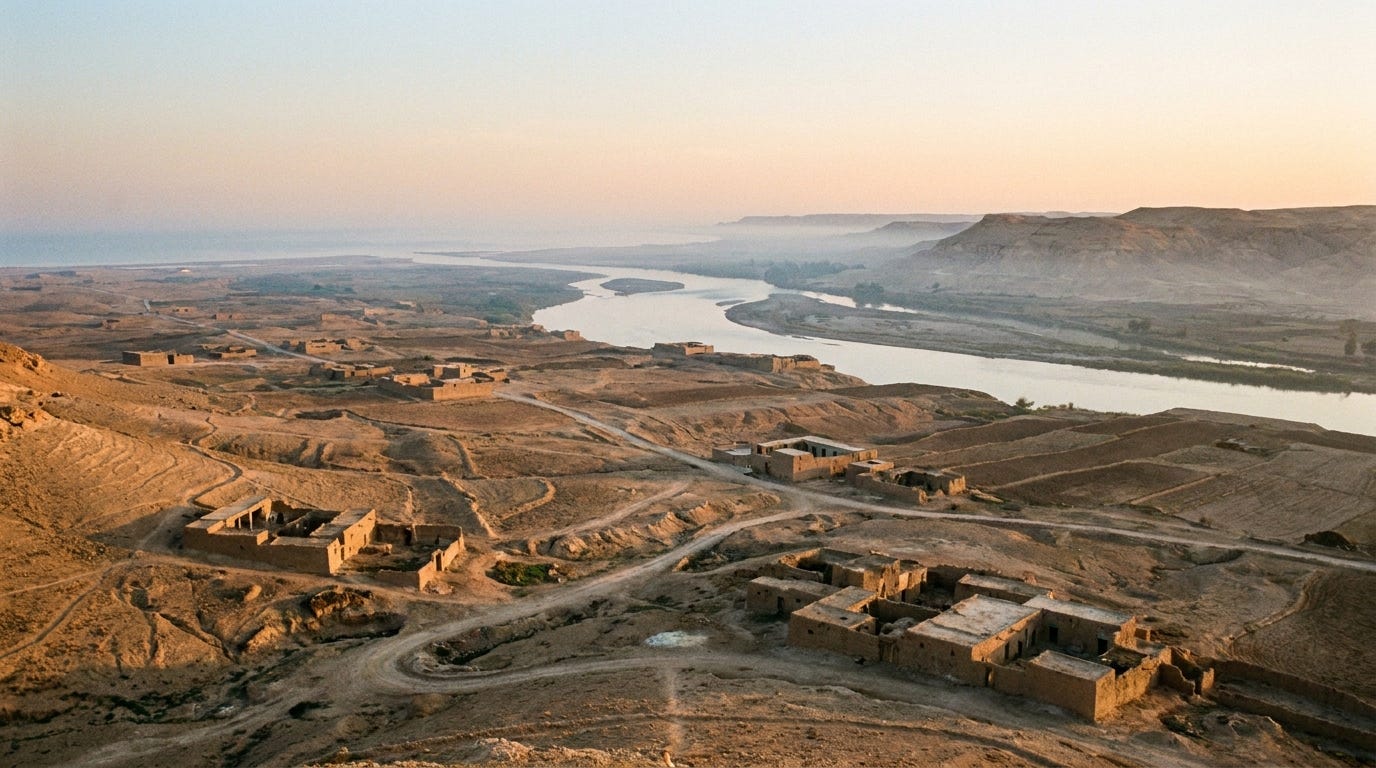
After the flood, the world starts over as a list.
Genesis has just walked us through the ark, the receding water, the rainbow, and Noah's worst night in his tent. Now the pace drops right down. Chapter 10 sets out row after row of names: the sons of Japheth, the sons of Ham, and the peoples who came from them, spreading across the coastlands "according to their languages, by clans within their nations" (Genesis 10:5). It reads like a register. It is easy to skim. But someone kept this record on purpose, and the purpose is the whole point.
This is the record of the whole human family, written while the water is barely off the ground. Names fanning out across coastlands and river valleys, every one of them set down and kept. Nobody is left off. Before there is an Israel, before there is a single chosen family, God already holds the name of every nation that will ever hear of Him.
Who was Nimrod, the mighty hunter?
One name in the list gets a story of its own. Cush fathers Nimrod, "who began to be a mighty one on the earth" (Genesis 10:8), a "mighty hunter before the LORD" (Genesis 10:9). His kingdom starts in Babylon, in the land of Shinar, and reaches up into Assyria, where he builds Nineveh (Genesis 10:10-11). Hold those two names, Babylon and Nineveh. They are the cities that will spend the rest of the Bible setting themselves against God and His people. The first kingdom in Scripture is a man making himself great and building a name out of brick.
Read on one chapter and you meet the same land again. At Babel, on that same plain of Shinar, people say they will "make a name for ourselves" (Genesis 11:4). That is the road Nimrod is already on. You can spend a whole life making your own name, loud and mighty and carved over a city gate, and still never be known by the God who made you.
Why does God write down the nations?
Because a name given outlasts a name seized. Genesis keeps this long list so that, one chapter later, when God calls one old man out of these very nations and promises that "all the families of the earth will be blessed through you" (Genesis 12:3), you already know who all those families are. You have just read their names. The table is the guest list, written before the invitation ever goes out.
And the phrase that keeps repeating, "according to their languages," points far past this chapter. God scatters those languages at Babel (Genesis 11:9). He hands them back at Pentecost, when people from every nation hear the disciples "declaring the wonders of God in our own tongues" (Acts 2:11). And He gathers them home in John's vision of "a multitude too large to count, from every nation and tribe and people and tongue" standing before the throne (Revelation 7:9). Genesis 10 is where that crowd first appears. And it gets there through Jesus. The blessing promised to Abram came in Him, a son of this very line, and He sent His followers out to "make disciples of all nations" (Matthew 28:19).
So here is where it lands. God knows the nations one clan at a time, and He knows you the same way, by name. That is what it means to be known by Him, and it is the reason His word to you is worth keeping. The only question is which name you are living for, the one you are straining to build, or the one He is ready to give.
What name are you spending yourself to make, and what would change if you wrote down today that God already knows yours, and holds it? Sit with that before you close the book.
The Doxa Deeper Dive
Seventy Nations, One Hunter: Why the Bible Counts Every People (Genesis 10)
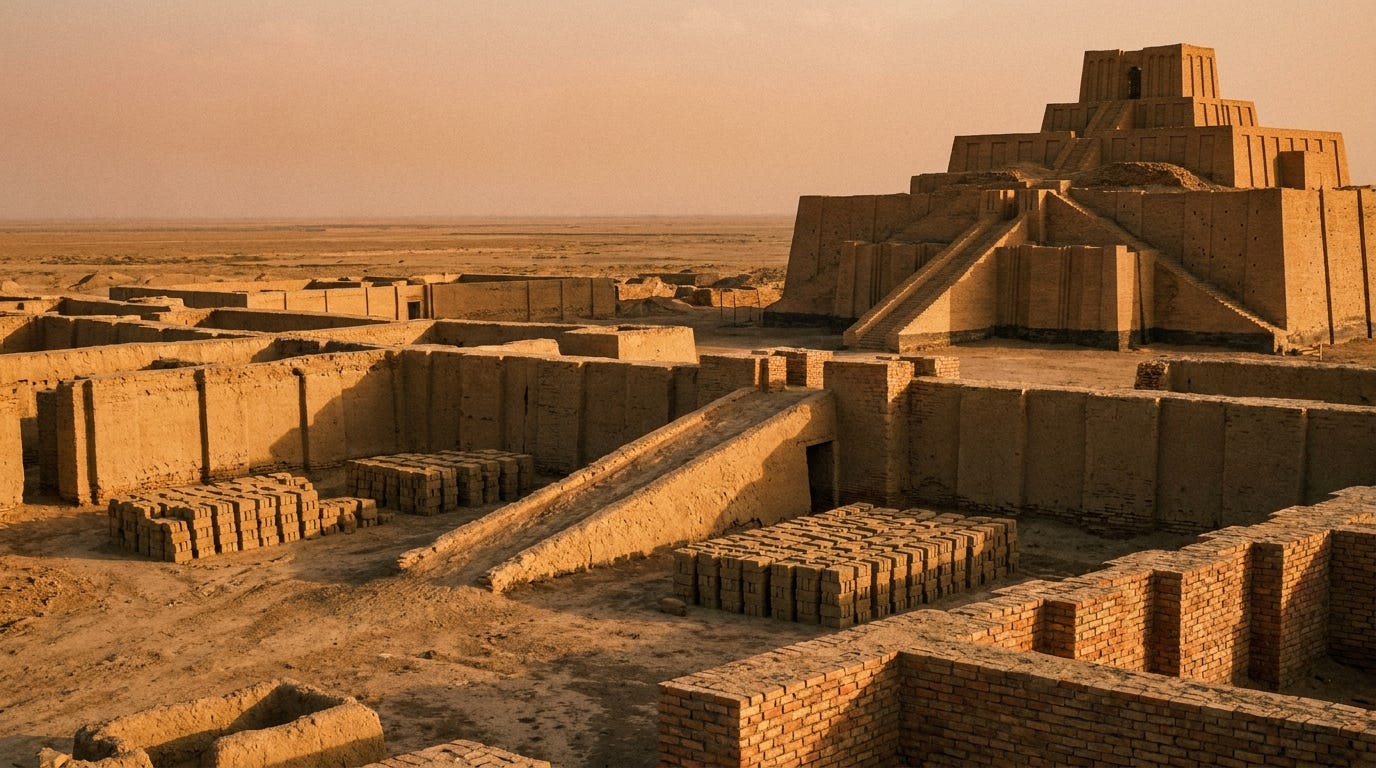
Genesis 10 looks like the part you skip to get to the story. In Hebrew it is built with more care than almost anything around it, and its word choices teach you how to read the nations that fill the rest of the Bible.
Why does Genesis record the nations so carefully?
The chapter opens with the word toledot (H8435), "the account of," literally the generations or the begettings (Genesis 10:1). It is the same word that framed "the account of the heavens and the earth" (Genesis 2:4) and that will soon frame Terah, Abraham's father (Genesis 11:27). Genesis files the nations under the same heading it gives creation itself. Then it closes each branch with a fourfold formula, "according to their clans, languages, lands, and nations" (Genesis 10:20): mishpachah (H4940), the clan; lashon (H3956), the tongue; erets (H776), the land; goy (H1471), the nation. Four ways of saying that God sees a people whole, by blood and speech and soil and border.
How many peoples are on the table, and why does it matter?
Count the peoples named across the whole chapter and the old reckoning reaches seventy: fourteen from Japheth, thirty from Ham, twenty-six from Shem. Seventy is a number Scripture keeps for the whole of a thing. Seventy of Jacob's household go down into Egypt (Genesis 46:27); seventy elders go up the mountain with Moses (Exodus 24:9). Genesis is telling you this list is all of us, the complete family of the earth, standing in the record before God has spoken a single promise to Abram.
Who was Nimrod, the mighty hunter before the LORD?
The list breaks its own rhythm for one man. Nimrod "began to be a mighty one on the earth" (Genesis 10:8). The verb rendered began to be is chalal (H2490), a root that also carries the sense of piercing through or profaning something set apart, so the first word about the first empire has an edge to it. He is a gibbor (H1368), a mighty man, the word later used for warriors and champions, and a "mighty hunter before the LORD," with tsayid (H6718) naming the hunt or the game he takes (Genesis 10:9). Even his name leans dark, since readers have long heard in Nimrod the verb marad (H4775), to rebel.
"Before the LORD" (Genesis 10:9), from panim (H6440), the face, is the phrase that unsettles. It can mean under God's blessing, in His favour; it can also mean simply in His sight, out in the open before the face of a God he never consults. Nimrod is mighty in full view of a God he is not listening to. His cities name the whole problem. His kingdom begins in Babylon in the land of Shinar (H8152) (Genesis 10:10), the exact plain where, one chapter on, people pool their strength to build a tower and the LORD comes down and confuses, balal (H1101), their speech, which is why the place is called Babel (Genesis 11:9). The empire of the mighty hunter and the tower of the name-makers rise from the same ground.
How do the languages of Genesis 10 reach all the way to Pentecost?
Lashon, the tongue, is the thread. In Genesis 10 the nations already differ by language, spreading "according to their languages" (Genesis 10:5); in Genesis 11 God makes that difference a judgment, scattering the proud by taking their shared speech away. Yet the scattering did not last. At Pentecost the Spirit falls and Galileans are heard "declaring the wonders of God in our own tongues" (Acts 2:11) by people drawn from the very nations Genesis 10 named. What Babel broke, God begins to heal at Pentecost. The languages stay, and He speaks into all of them at once. And John sees the end of the road, "a multitude too large to count, from every nation and tribe and people and tongue" (Revelation 7:9), the seventy grown past counting, every language kept and gathered before the throne.
Whose name lasts?
Under the whole chapter runs one quiet contrast about names. Shem (H8034), the son whose line the promise follows, is simply the Hebrew word for name. Nimrod and the builders of Babel want a shem too, one they can raise for themselves out of brick and conquest (Genesis 11:4). One name is received; the other is seized. God keeps the names of the nations, all seventy of them, filed under His own account, because He means to gather them, and He will start by giving one man from among them a name he could never have built (Genesis 12:2). To be known by God is to have your name in that record, put there by Him. It is what Jesus meant when He told His followers to rejoice that "your names are written in heaven" (Luke 10:20), and why He could send them to "make disciples of all nations" (Matthew 28:19). The list of the nations was His guest list from the start.